Ireland360

If you have seven days and it’s your first time in Ireland, do a loop: two nights in Dublin, two in Kerry, two in Galway, with the Rock of Cashel on the way south and the Cliffs of Moher on the way north. It covers the country’s best-known sights without spending the whole week in a car, and every night is somewhere with good food and a decent pub.
This is the route we’d give a friend on a first visit, with what we’d skip and what we’d never miss.
The route at a glance
- Days 1 and 2: Dublin
- Day 3: Dublin to Killarney, via Kilkenny and the Rock of Cashel
- Day 4: The Ring of Kerry or the Dingle Peninsula
- Day 5: Killarney to Galway, via the Cliffs of Moher and the Burren
- Day 6: Connemara or the Aran Islands
- Day 7: Galway back to Dublin, via Clonmacnoise or Athlone
You’ll want a car from Day 3 onwards. If you’d rather not drive, every one of these stops can be reached by train or bus plus a day tour; we explain how in our guide to getting around without a car.
Days 1 and 2: Dublin
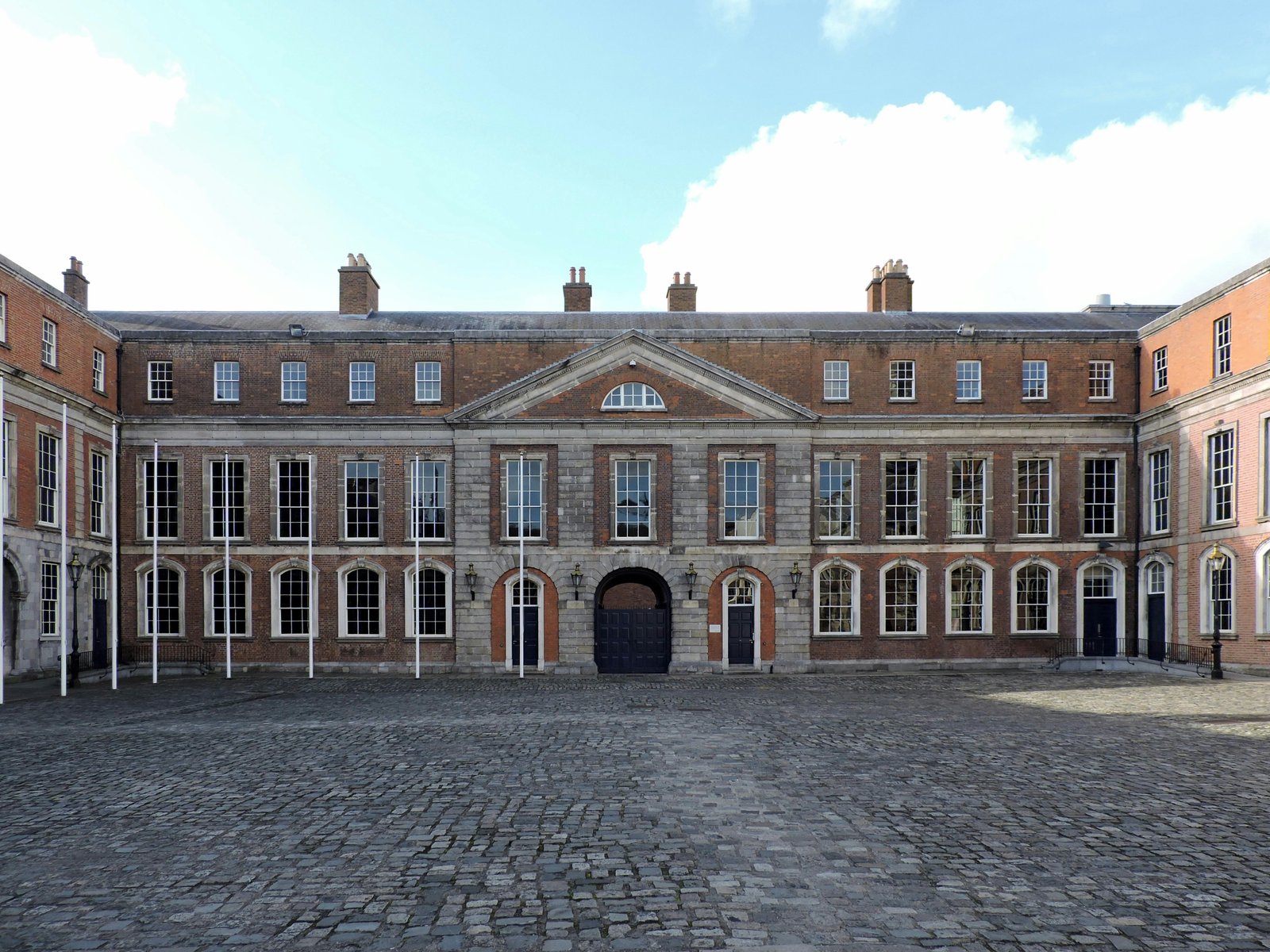
Don’t pick up a hire car on arrival. The centre is compact, parking is difficult and you won’t need a car until you leave. Spend your first day in the old city: Trinity College and the Book of Kells, Dublin Castle and Christ Church are all within a ten-minute walk of each other. A guided Book of Kells, Dublin Castle and Christ Church tour is a handy way to do all three with someone who knows the stories.
On day two, head west to the Liberties. The Guinness Storehouse is the country’s most visited attraction for a reason, and the rooftop bar gives you a view over the whole city. Afterwards, Kilmainham Gaol is a short walk or bus ride further on and is, for many visitors, the most moving hour of the trip. Book both ahead, as the gaol in particular sells out.
In the evening, skip the busiest stretch of Temple Bar and walk five minutes south. The Stag’s Head is a Victorian bar with its original mahogany and stained glass, and O’Donoghue’s on Merrion Row is where The Dubliners got their start.
Day 3: Kilkenny, Cashel and on to Killarney
This is your longest driving day, so start early. Kilkenny is roughly an hour and a half from Dublin on the motorway. Give yourself an hour or two to walk the Medieval Mile and see Kilkenny Castle, whose parkland is free to wander.
From there it’s about an hour to the Rock of Cashel, a cluster of medieval church buildings on a limestone outcrop above the Tipperary plains. Then push on to Killarney, roughly two hours away, and check in for two nights.
If the full day feels like a lot, stay in Kilkenny on night three and shuffle the rest of the route by a day. You lose Connemara but gain a relaxed evening in one of Ireland’s best small cities.
Day 4: The Ring of Kerry or Dingle
Killarney is the base for two of Ireland’s great scenic drives, and you only have time for one.
The Ring of Kerry is the classic: a loop of the Iveragh Peninsula through Killorglin, Cahersiveen, Waterville and Kenmare, with mountain, lake and ocean views all day. Tour coaches traditionally drive it anticlockwise, so if you’re driving yourself many locals suggest going clockwise to avoid getting stuck behind them on the narrow stretches. Or let someone else do the driving on a small-group Ring of Kerry tour.
The Dingle Peninsula is shorter and, in many people’s opinion, even more beautiful. The Slea Head Drive takes you past beehive huts, the Blasket Islands and steep cliffs and sandy coves at the tip of the peninsula. A Dingle and Slea Head coach tour is a good option if you’d rather take in the views than watch the road.
If you have a spare hour in Killarney itself, walk or cycle to Ross Castle on the edge of Lough Leane. In the evening, J.M. Reidy is a well-loved pub in the town centre.
Day 5: Cliffs of Moher, the Burren and Galway
Head north to Tarbert and take the car ferry across the Shannon Estuary to Killimer in County Clare. It’s a short crossing and saves a long detour through Limerick. From there, the coast road brings you to the Cliffs of Moher.
The main visitor centre is the easy option, but if you have a couple of hours, the Cliffs of Moher Coastal Walk from Doolin gives you the cliffs with a fraction of the crowds. Stick to the marked path and stay well back from the edge, especially in wind.
Continue through the Burren, a strange and beautiful limestone landscape that looks bare from a distance but is full of wildflowers in late spring. Then it’s on to Galway for two nights.
Day 6: Connemara or the Aran Islands
Galway is the gateway to two very different days out.
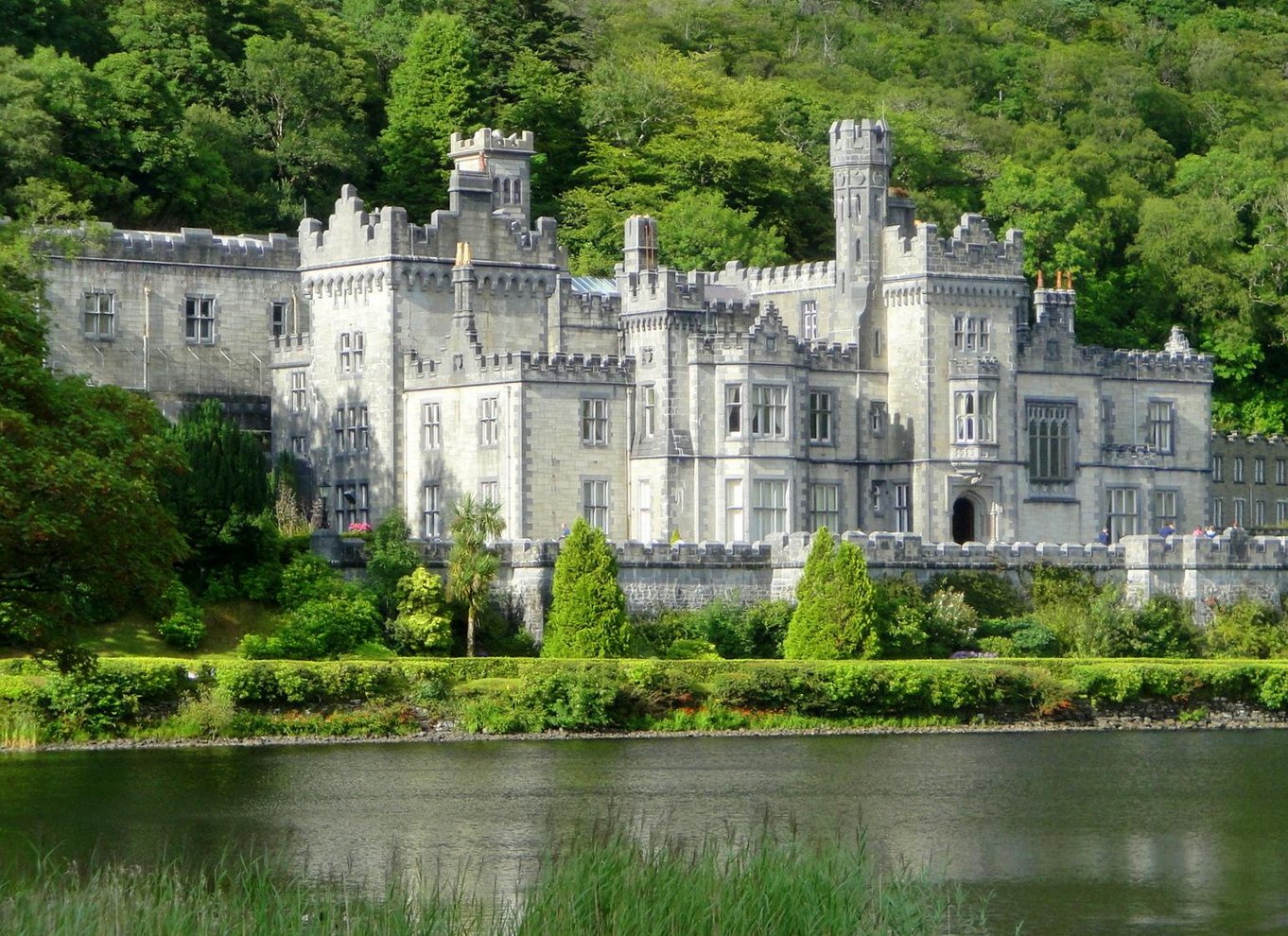
Connemara is wild bog, mountain and lake country west of the city. Drive through Oughterard and Recess to Kylemore Abbey, or join a Connemara and Kylemore Abbey day tour from the city.
The Aran Islands sit out in Galway Bay. Inis Mór, the largest, has the cliff-edge stone fort of Dún Aonghasa and is easy to explore by bike or minibus. Ferries go from Rossaveal, west of the city, with a shuttle bus from Galway.
Back in Galway, the city is made for wandering: the Latin Quarter, the Spanish Arch and the river. Tigh Neachtain on the corner of Cross Street is one of the city’s best-loved traditional pubs. Our Galway guide covers more.
Day 7: Back to Dublin
The motorway from Galway to Dublin takes about two and a half hours. Break it up at Clonmacnoise, an early Christian monastic site on the banks of the Shannon with high crosses and round towers. Or stop in Athlone, where Sean’s Bar lays claim to being the oldest pub in Ireland.
If you’re flying out from Dublin Airport, it sits on the north side of the city, so you won’t need to drive into the centre at all.
Good to know
- Drive on the left. Hire cars are mostly manual; book an automatic well ahead if you need one, as they’re in shorter supply.
- Distances are deceptive. A road that looks short on the map can be narrow, winding and slow. Add time to whatever your sat nav says, particularly in Kerry, Clare and Connemara.
- Northern Ireland uses pounds sterling, the Republic uses the euro. This route stays in the Republic, but if you add the Giant’s Causeway, keep that in mind and check your hire car policy for cross-border driving.
- Pack for every kind of weather. Bring a waterproof jacket and comfortable walking shoes, whatever the season.
- Book ahead in summer. Accommodation in Killarney, Dingle and Galway fills up fast in high season.
- Don’t overload the plan. One big sight a day, plus a good dinner and a pint, leaves time to enjoy each place.
FAQ
Is seven days enough to see Ireland?
It’s enough to see the highlights of the south and west properly. You won’t see everything, and you’ll want to come back, but this loop covers Dublin, Kerry, Clare and Galway without rushing.
Can I add Northern Ireland to a 7-day trip?
You can, but something else has to go. The simplest swap is to drop Kerry and spend two days in Belfast and on the Causeway Coast instead, then come down the west coast to Galway.
Should I go clockwise or anticlockwise?
Either works. We suggest heading south first so the longest drive happens while you’re fresh, and so you finish with an easy motorway run from Galway back to Dublin Airport.
When is the best time of year to do this route?
May, June and September are the sweet spot: long evenings, fewer crowds than July and August, and everything open. Winter works too, but daylight is short and some smaller attractions close for the season.