Ireland360
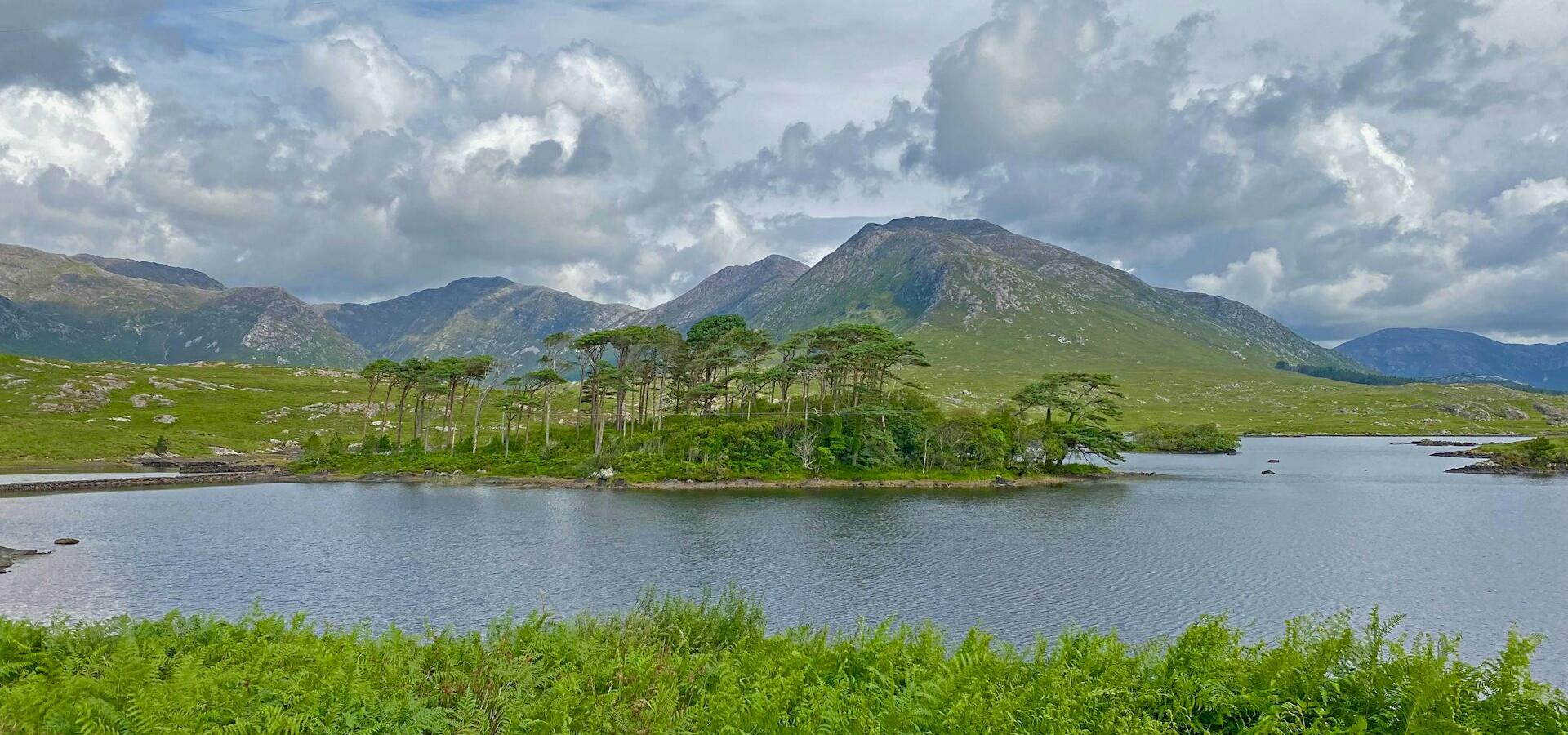
Some of the places locals love most in Ireland see only a trickle of visitors: quiet abbeys, island monasteries and an Iron Age road preserved under a bog. Most of the places below are within an easy detour of the main touring routes, so you can add one or two without rearranging your whole trip.
The Midlands
Most visitors drive through the Midlands on the way west without stopping, which means the sites here are usually quiet.
Fore Abbey, Co. Westmeath
In a peaceful valley near Lough Lene, Fore Abbey is the substantial ruin of a medieval Benedictine priory. The valley is also known for the “Seven Wonders of Fore”, a set of local legends including a tree that won’t burn and water that flows uphill. Walking between them takes about an hour.
Corlea Trackway, Co. Longford
At Corlea, a section of an Iron Age road made from oak planks has been preserved in the bog where it was laid more than 2,000 years ago. The visitor centre displays a long stretch of the original timber in a climate-controlled hall, and guides explain how it was built and why.
Clonmacnoise by water
Most people drive to Clonmacnoise, but you can also arrive by river. A private boat tour to Clonmacnoise takes you along the Shannon to the monastic site, the way pilgrims once came. Afterwards, JJ Killeen’s in nearby Shannonbridge is an old-fashioned pub known for its music.
Morrissey’s, Abbeyleix
On the road between Dublin and Cork, Morrissey’s is a preserved old grocer’s and pub, with its original shelves and stove.
The South-East
Jerpoint Abbey, Co. Kilkenny
Jerpoint Abbey is a Cistercian abbey known for the carvings in its cloister: knights, bishops, saints and strange creatures in stone, many with real character. It’s a short drive from Kilkenny city and Thomastown.
Kells Priory, Co. Kilkenny
Not to be confused with Kells in County Meath (home of the famous book), Kells Priory is a large Augustinian priory surrounded by fortified walls and towers, standing in open fields beside the King’s River. It’s free, open and usually quiet.
Brownshill Dolmen, Co. Carlow
A short walk from a car park outside Carlow town, the Brownshill Portal Dolmen has an enormous granite capstone, often said to be the heaviest in Europe, resting on a few upright stones. It’s a five-minute stop on the way between Dublin and Kilkenny or Waterford.
The West
Lough Gur, Co. Limerick
Lough Gur is a horseshoe-shaped lake surrounded by evidence of thousands of years of settlement. Nearby is the Grange Stone Circle, the largest stone circle in Ireland. There’s a lakeshore park with easy walks and a visitor centre explaining the archaeology.
Scattery Island, Co. Clare
Scattery Island in the Shannon Estuary was home to a monastery founded by St Senan, and its round tower still stands tall above the ruined churches. The island has been uninhabited since the 1970s. Boats run from Kilrush in season.
Kilmacduagh, Co. Galway
Near Gort, on the edge of the Burren, Kilmacduagh is a cluster of church ruins around a round tower that leans noticeably out of the vertical. It’s an easy detour from the road between Galway and the Cliffs of Moher, and you’ll rarely share it with a tour bus.
Creevykeel, Co. Sligo
Just off the road between Sligo and Bundoran, Creevykeel Court Tomb is one of the finest examples of its type in the country, with a large open court and burial chambers. You’ll often have it entirely to yourself.
The South-West
Ilnacullin (Garinish Island), Co. Cork
A short boat ride from Glengarriff on the Beara Peninsula, Ilnacullin is an island laid out as formal gardens in the early 20th century, with an Italian garden, a Martello tower and plants that thrive in the mild Gulf Stream climate. The boat often passes seals basking on the rocks along the way.
The North-West
Glebe House and Gallery, Co. Donegal
On the shores of Lough Gartan, the Glebe House and Gallery was the home of the painter Derek Hill. He left it, along with his art collection, to the state, and it includes works by Picasso, Kokoschka and Jack B. Yeats, as well as paintings by the artists of Tory Island. It’s a short drive from Glenveagh National Park.
Doe Castle, Co. Donegal
Doe Castle stands on a rocky spit of land in Sheephaven Bay, surrounded by water on three sides and by a rock-cut moat on the fourth. It was a stronghold of the MacSweeney clan, and on a still day the castle is reflected in the bay.
The South coast
The Copper Coast, Co. Waterford
Between Tramore and Dungarvan, the Copper Coast is a UNESCO Global Geopark named for the copper mines that once worked the cliffs. The coast road passes small coves, sea stacks and old mine buildings, and it sees far fewer visitors than the west coast. Bunmahon and the Tankardstown mine engine house are good places to stop.
Ardmore, Co. Waterford
Further east along the Waterford coast, Ardmore has a 12th-century round tower and the ruins of a cathedral on the hill above the village. A cliff walk of a few kilometres starts nearby and passes St Declan’s holy well and an old shipwreck below the cliffs.
Near Dublin
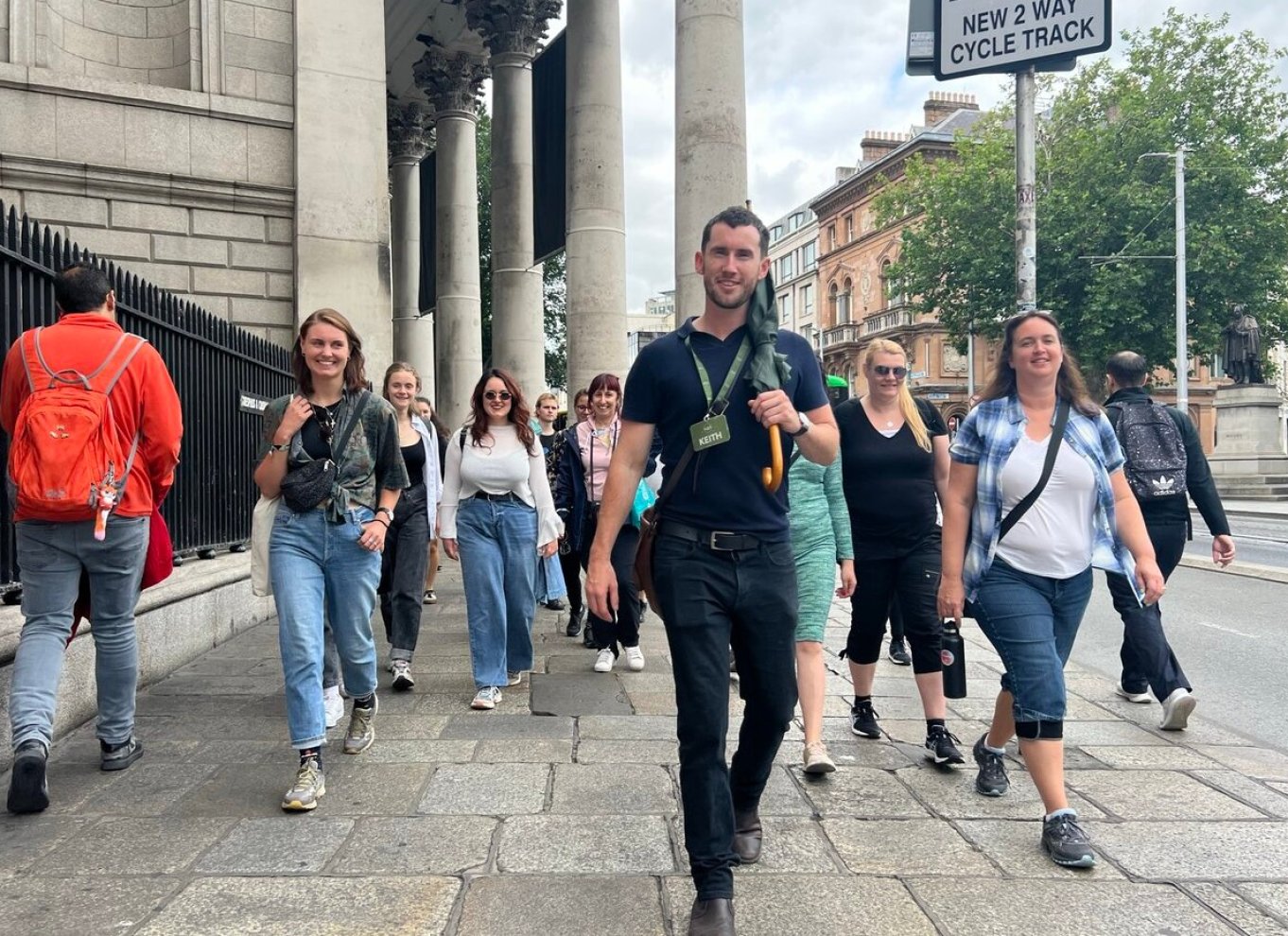
In County Meath, about an hour from the city, the Loughcrew cairns sit on hilltops with views across several counties, and the main cairn has Neolithic carvings inside. The capital itself also has corners most visitors miss. The Highlights and Hidden Gems walking tour is one of the best-rated in the city, and our guide to hidden gems within an hour of Dublin has plenty of easy escapes.
Good to know
- Many sites are free and unstaffed. Ruins like Kells Priory and Creevykeel are open fields with no ticket office. Bring water and snacks, as there may be nothing nearby.
- Some have seasonal access. Corlea, Scattery Island boats and Ilnacullin all run mainly in the warmer months. Check before you travel.
- Expect farmland. Some sites are reached through fields with livestock. Close gates behind you and keep dogs on a lead.
- A car helps. Most of these places are poorly served by public transport, so they’re best combined with a self-drive trip.
- Leave them as you find them. Don’t move stones, climb on walls or leave litter.
FAQ
What’s the best hidden gem near Dublin?
For history, the Hill of Tara and Loughcrew, both in County Meath. For coast, the cliff walk at Howth. See our guide to hidden gems within an hour of Dublin.
Are hidden gems in Ireland free to visit?
Many are. Ruined abbeys, tombs and tower houses in the countryside often have no entry fee. Visitor centres and island boats usually charge.
When is the best time to visit lesser-known sites?
Late spring and early autumn, when the weather is milder, visitor centres are open and the roads are quiet.
How do I find more places like these?
Look at the Office of Public Works and local county heritage websites, ask in your accommodation, and follow the brown heritage signs off the main roads. Many of the best finds are a short turn from a road you were driving anyway.
Do I need a guide?
Not for most places, but a guide or a visitor centre adds a lot at sites like Corlea, Lough Gur and Scattery Island.