Ireland360
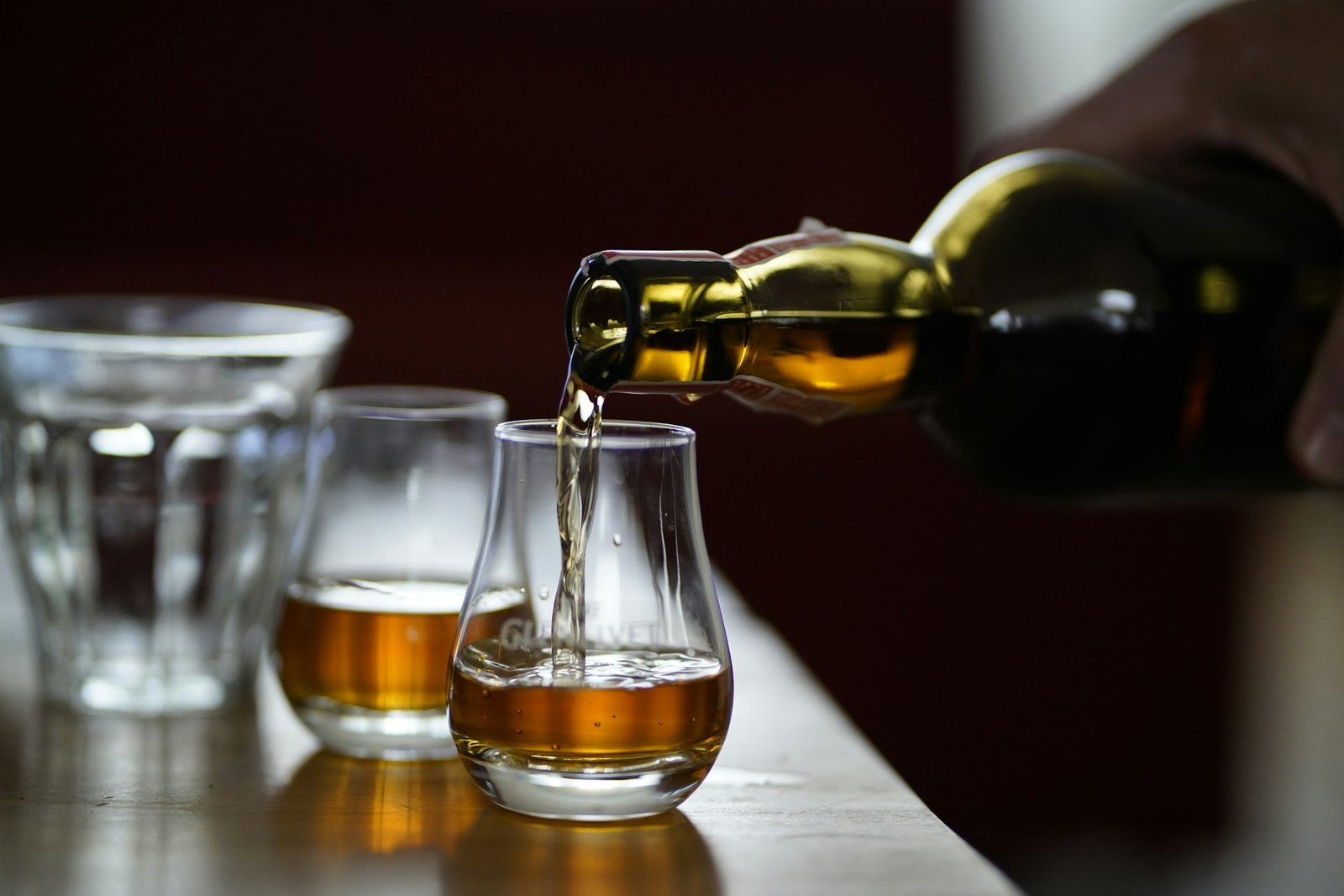
If you want to taste Ireland properly, start in Dublin with the Guinness Storehouse and a whiskey distillery in the Liberties, eat your way around Cork’s English Market, and order seafood anywhere on the west coast. Irish food has changed a lot in a generation. The classics are still there (stew, chowder, brown bread, a good fry), alongside farmers’ markets, artisan producers and some highly regarded restaurants.
Guinness at St James’s Gate
Guinness has been brewed at St James’s Gate in Dublin since 1759, when Arthur Guinness signed a famous 9,000-year lease on the site. The Guinness Storehouse tells the story over seven floors and ends at the Gravity Bar, with a pint and a view across the city.
The Storehouse is the place to learn about it, but locals will tell you the best pint is in a good pub with a busy tap. A properly poured pint takes two stages: filled most of the way, left to settle, then topped up, so expect to wait a couple of minutes. Our guide to the best pints of Guinness in Dublin will point you in the right direction, and The Brazen Head, which claims to be Dublin’s oldest pub, is a classic place to start.
Irish whiskey
Irish whiskey is spelled with an “e”, and many (though not all) Irish whiskeys are triple distilled, which tends to give a smooth, light spirit. Look out for single pot still whiskey, a style unique to Ireland, made from a mix of malted and unmalted barley in copper pot stills.
Dublin distilleries
Dublin was once one of the great whiskey cities of the world, and the industry is having a revival.
- Jameson, Bow Street: the old Jameson distillery in Smithfield is now a visitor experience. The Jameson distillery tour with tastings is one of the most popular in the city.
- Teeling, the Liberties: a working distillery, opened when whiskey-making returned to the city after a long gap. The Teeling Distillery tour and tasting shows you the stills up close.
- The Irish Whiskey Museum: opposite Trinity College, covers the history of Irish whiskey, with a tour and tasting at the end.
Beyond Dublin
- Midleton, Co. Cork: home of Jameson production, plus Redbreast and Powers. The Coastal Cork and Midleton Distillery tour pairs it with the coast.
- Kilbeggan and Tullamore, the Midlands: Kilbeggan claims to be one of the oldest licensed distilleries in the world. A whiskey heartlands tour visits both.
- Bushmills, Co. Antrim: a short hop from the Giant’s Causeway, and proud of a history stretching back centuries.
Back in the city, many Dublin pubs keep a long whiskey list, and bar staff are usually happy to suggest a flight of two or three to compare styles side by side. For more, see our guide to the best whiskey tastings and tours in Ireland.
Irish coffee
Irish coffee is credited to Joe Sheridan, a chef at the Foynes flying-boat terminal in County Limerick in the 1940s, who added whiskey to coffee for cold, tired passengers. Hot coffee, Irish whiskey, brown sugar and lightly whipped cream floated on top.
Beyond whiskey and stout
Ireland’s craft beer scene has grown a lot, and most towns now have at least one pub with local beers on tap alongside the big brands. Cider is worth trying too. County Armagh is known as the Orchard County, and its Bramley apples are grown and pressed there, while Clonmel in Tipperary has a long history of large-scale cider making.
What to eat
The classics
- Irish stew: lamb (or mutton), potatoes, onions and carrots, slow-cooked. Every family has its own version.
- Seafood chowder: creamy, full of fish and shellfish, and served with brown bread. You’ll find it on nearly every pub menu on the coast.
- Brown soda bread: dense, nutty and made with buttermilk. Eat it with plenty of Irish butter.
- The full Irish breakfast: rashers, sausages, eggs, black and white pudding, tomato, and often beans and mushrooms. In Ulster, an Ulster fry adds soda farls and potato bread.
- Dublin coddle: sausages, rashers and potatoes stewed together. A Dublin classic, more often cooked at home than in restaurants.
- Boxty: a potato pancake, especially associated with Leitrim and the neighbouring counties.
Baking and teatime
Irish home baking is worth seeking out in cafés and country houses: scones with jam and cream, barmbrack (a fruit loaf traditionally eaten at Halloween), apple tart and porter cake made with stout. In the north, wheaten bread and soda farls turn up with almost every meal.
Seafood on the coast
Galway Bay oysters are well known, and Moran’s Oyster Cottage at Kilcolgan is a thatched pub that has been serving them for generations. In Dingle, The Fish Box is a local favourite for fresh fish and chips and seafood platters.
Markets
The English Market in Cork is Ireland’s best-known covered food market, with butchers, fishmongers, bakers and cheesemongers under one roof. Look for local specialities like spiced beef and drisheen, and try Irish farmhouse cheeses such as Durrus, Gubbeen and Milleens.
Eating well on a budget
Some of the best food in Ireland is cheap. Fish and chips from a chipper, eaten by the harbour, is a seaside tradition everywhere from Howth to Dingle. Pub lunches, bakery counters and market stalls are good value, and a spice bag (chips, chicken and peppers tossed in spices, from Chinese takeaways) is a Dublin favourite that has spread across the country.
Fine dining
In Dublin, Chapter One is among the country’s most celebrated dining rooms, while in Galway, Aniar builds its menus around the produce of the west. Book well ahead for both.
Food and drink tours
If you’d rather someone else did the planning, guided food and drink tours combine tastings with local stories. See our pick of food and drink tours and tastings.
Good to know
- Drink driving laws are strict. Limits in both the Republic and Northern Ireland are low, and the only safe approach is not to drink at all if you’re driving. If you’re doing distillery tours, take a guided tour or public transport, or ask for a driver’s sample to take away.
- Pubs serve food, often all day. A bowl of chowder and brown bread in a pub is one of the best-value lunches in Ireland.
- Book restaurants ahead, especially at weekends and in popular towns like Dingle, Kinsale and Galway.
- Tipping: around 10% is usual in restaurants with table service if you were happy with it. You don’t tip for drinks at the bar.
- Under-18s can’t drink alcohol, and some distillery tastings offer soft drinks for younger visitors.
FAQ
Where is the best place to try Guinness in Ireland?
The Guinness Storehouse is the place to learn about it, but a busy traditional pub with a well-kept line is where you’ll find the best pint.
What’s the difference between Irish and Scotch whisky?
Irish whiskey is spelled with an “e”, is often triple distilled and is rarely peated, so it tends to be smoother and lighter. Scotch is usually double distilled, and many Scotches are smoky.
What food is Ireland famous for?
Irish stew, soda bread, seafood chowder, the full Irish breakfast, and excellent dairy, beef, lamb and seafood.
Can I do a distillery tour if I don’t drink?
Yes. Most tours are interesting in their own right, and many offer non-alcoholic alternatives at the tasting.