Ireland360
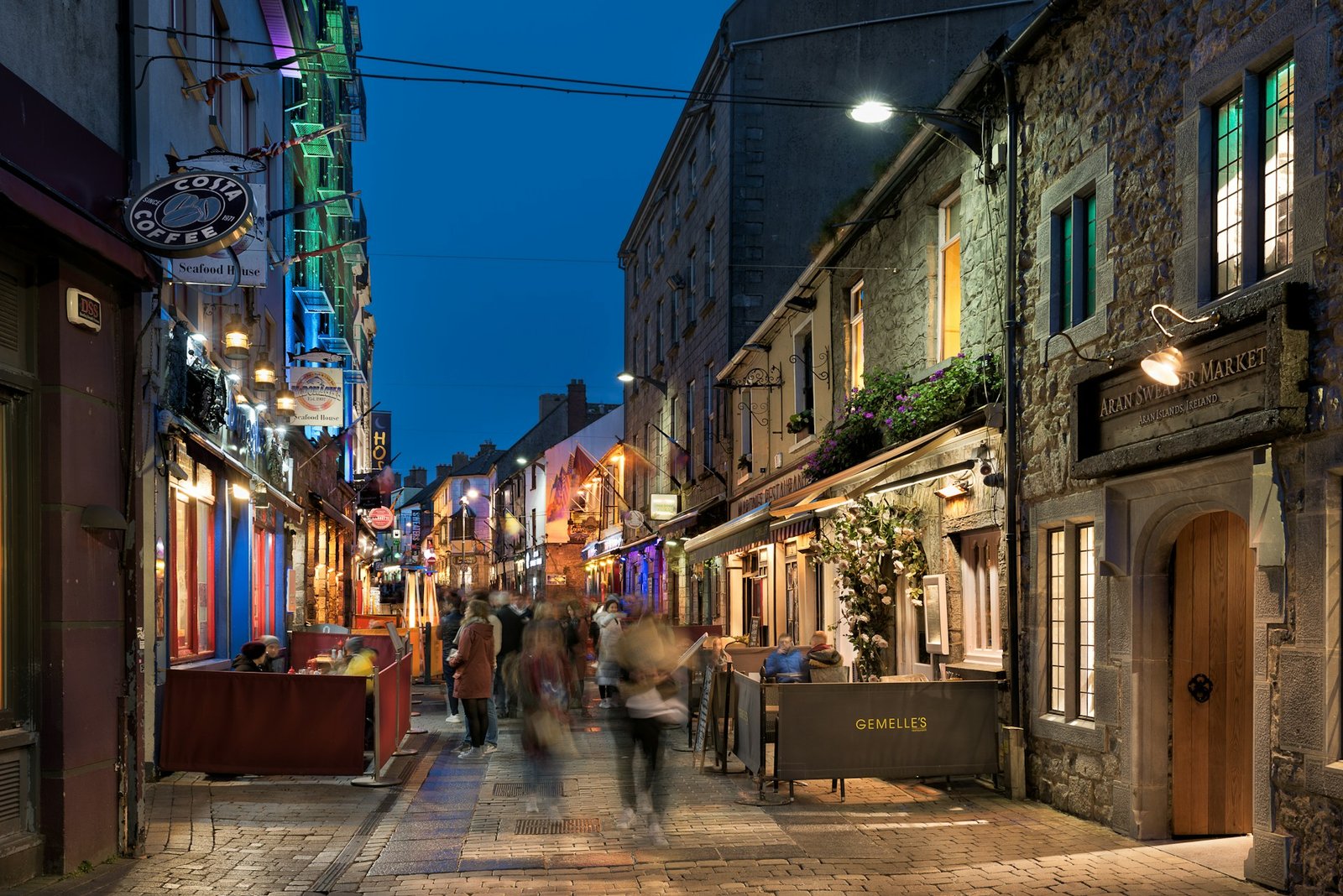
You can see Ireland without a car, and plenty of visitors do. Base yourself in a few well-connected towns (Dublin, Galway, Killarney, Cork and Belfast work best) and use trains and buses to move between them, then join day tours to reach the countryside. You’ll miss some of the remote corners, but you’ll also skip narrow roads, driving on the left and the hunt for parking.
Hubs and day trips
Ireland’s rail and coach networks are built like spokes from Dublin. Getting from Dublin to Galway, Cork, Killarney, Limerick, Westport, Sligo or Belfast is easy. Getting between smaller towns, or along the coast, is harder.
Pick two or three bases and stay two or three nights in each. From each base, local tour operators run day trips to the big sights:
- From Dublin: Glendalough, Newgrange, Howth, Kilkenny and even the Giant’s Causeway.
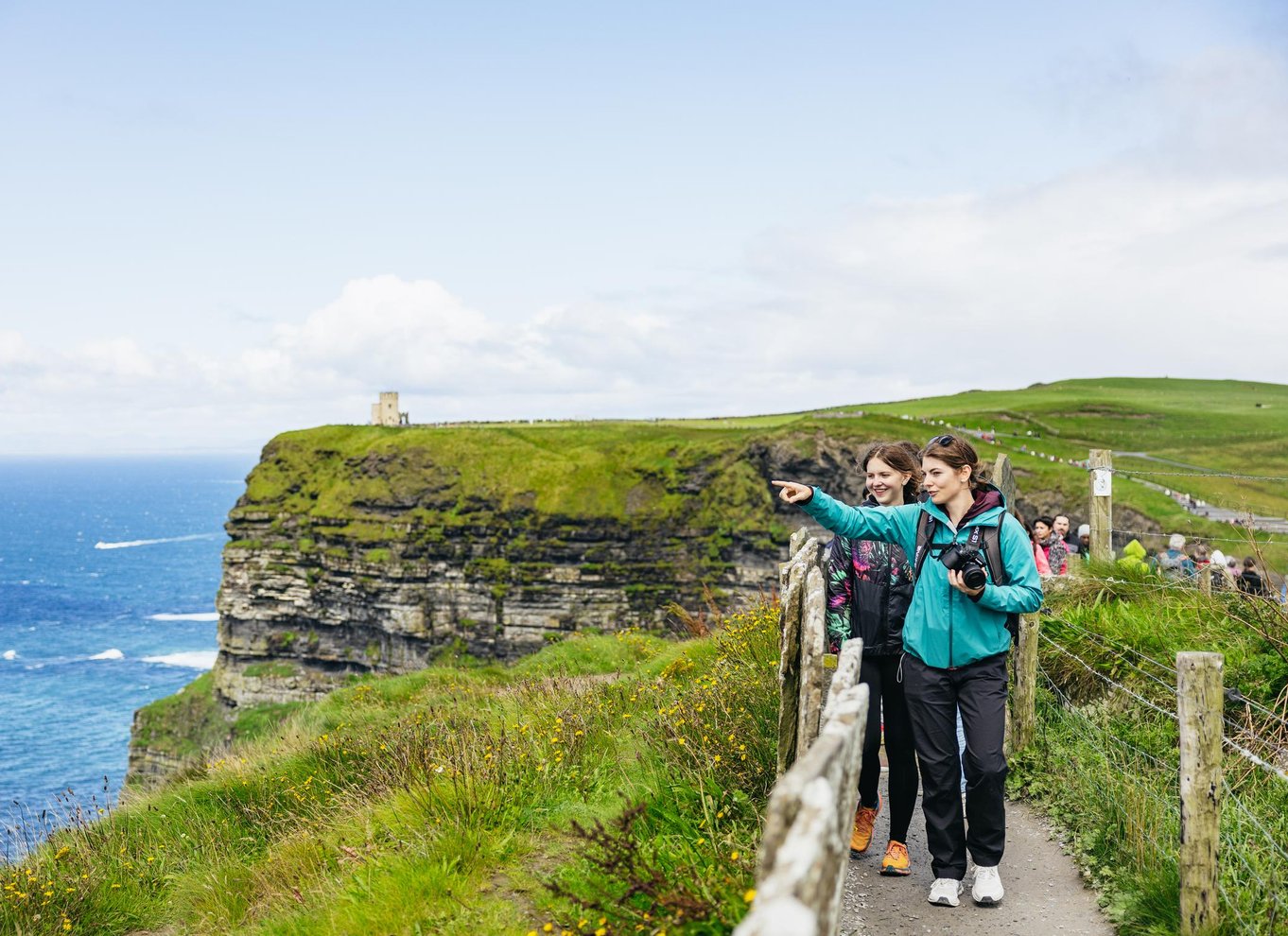
- From Galway: the Cliffs of Moher and the Burren, Connemara, and the Aran Islands.
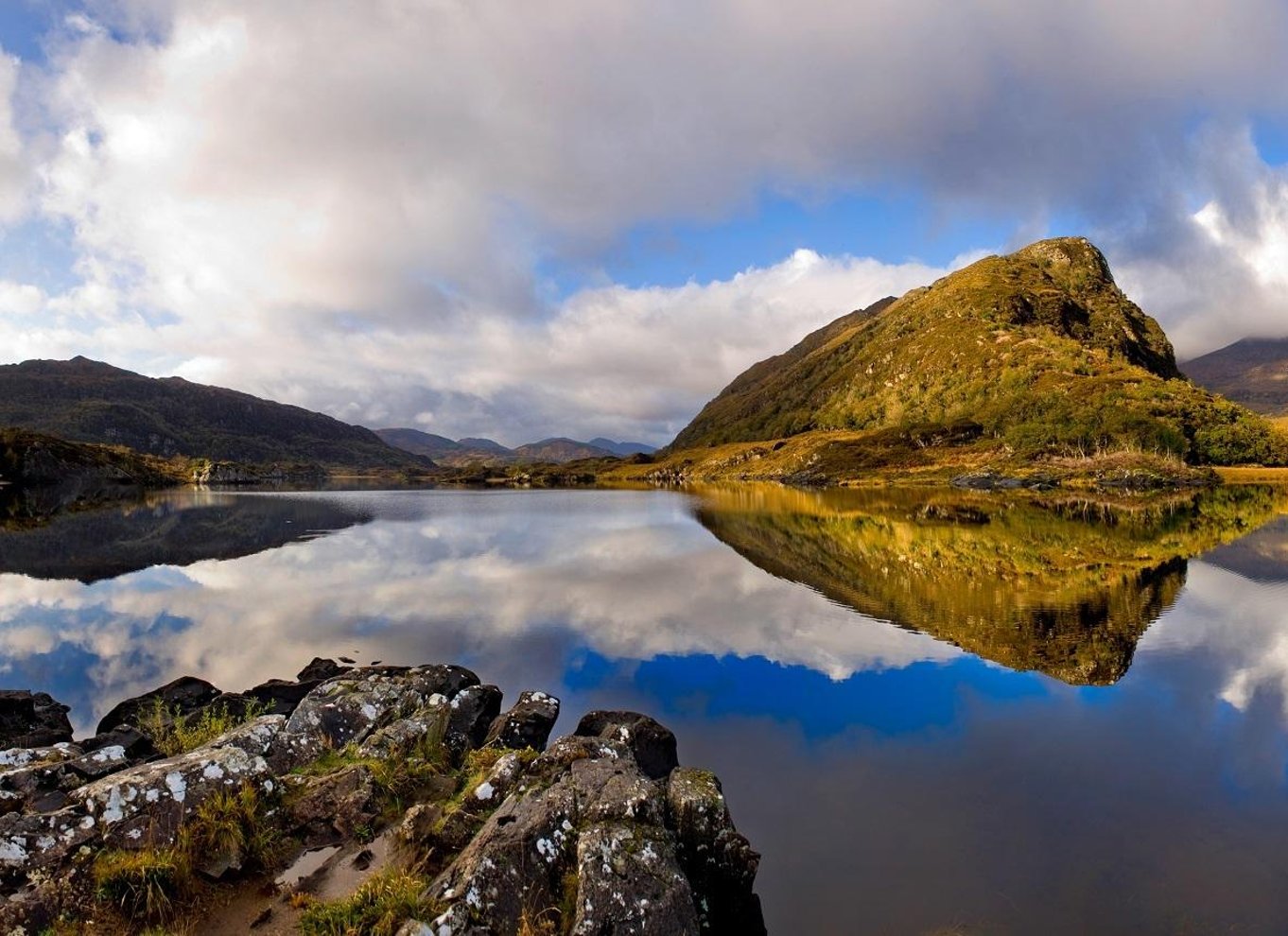
- From Killarney: the Ring of Kerry, the Dingle Peninsula and Killarney National Park.
- From Cork: Kinsale, Cobh, Blarney and the Ring of Kerry.
- From Belfast: the Giant’s Causeway and the Antrim coast.
A classic car-free week might be Dublin, train to Killarney, bus to Galway, train back to Dublin.
Getting in from the airport
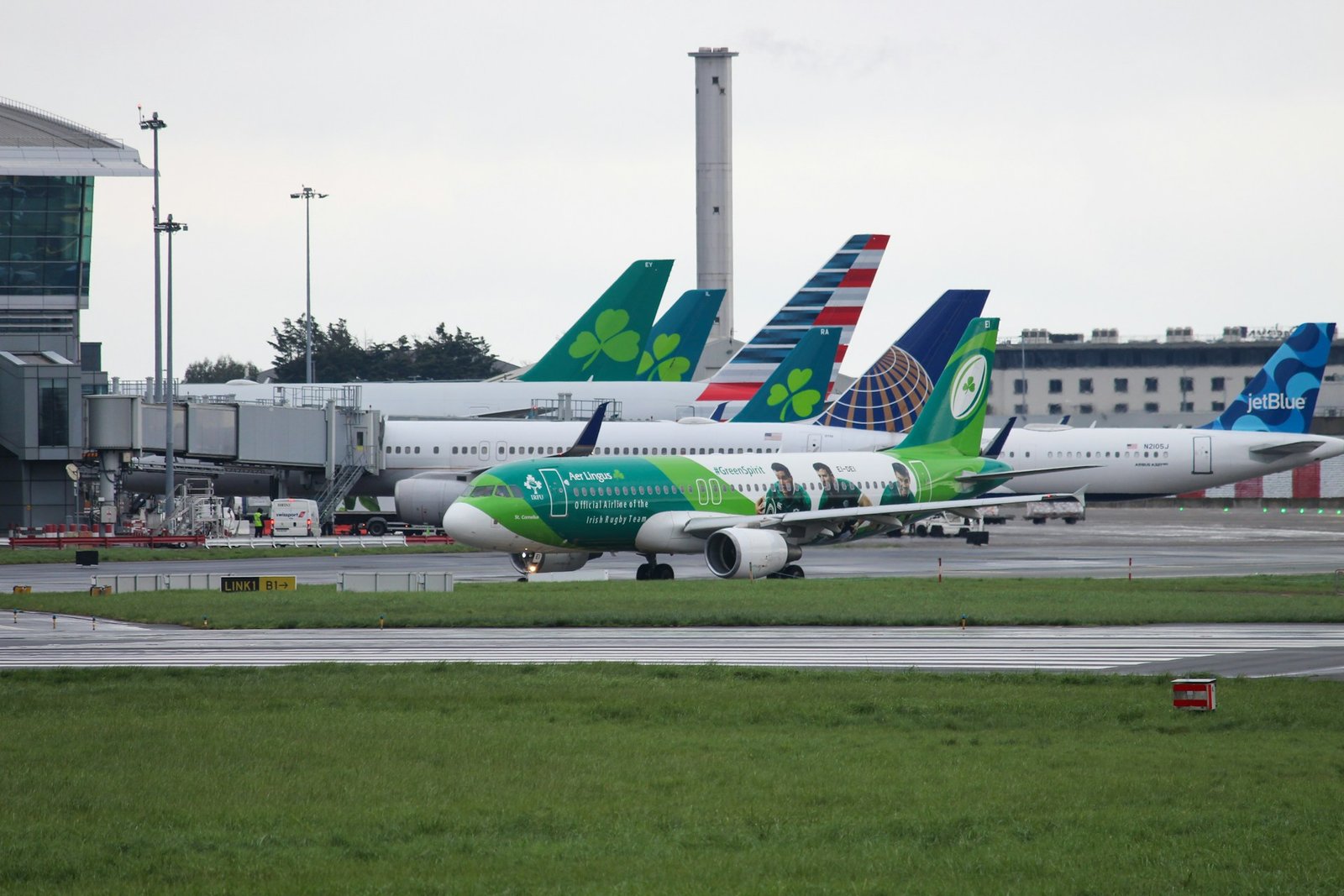
Dublin Airport has no rail link, but buses and coaches run frequently into the city centre and directly to many towns around the country. A pre-booked airport bus transfer takes the stress out of arrival day. For all the options, read our guide on how to get to and from Dublin Airport.
Shannon, Cork, Belfast International and Belfast City airports are all linked to their nearest city by bus.
Trains
Irish Rail (Iarnród Éireann) runs intercity trains from two Dublin stations:
- Heuston: Cork, Limerick, Galway, Westport, Killarney and Tralee, Waterford and Kilkenny.
- Connolly: Sligo, Belfast (on the cross-border Enterprise service) and the south-east coast to Wexford and Rosslare.
Trains are comfortable, have toilets and usually a trolley or café service, and you’ll generally get a better fare by booking online in advance. In Northern Ireland, Translink runs the trains, including the scenic line from Belfast to Derry along the north coast via Coleraine, the closest station to the Causeway Coast.
Some operators combine the train with a coach tour at the other end, so you can see the Cliffs of Moher by train or the Ring of Kerry by train in a single day from Dublin.
Buses and coaches
Where the train doesn’t go, the bus usually does. Bus Éireann’s Expressway network covers most of the Republic, and private operators run fast, frequent coaches on the busiest routes, such as Dublin to Galway and Dublin to Cork. In the North, Translink’s Ulsterbus and Goldline services cover the main towns.
Coaches are often cheaper than the train and sometimes faster, as many run direct on the motorway. Local buses in rural areas can be infrequent, though, so always check the timetable before planning a day around one.
Getting around the cities
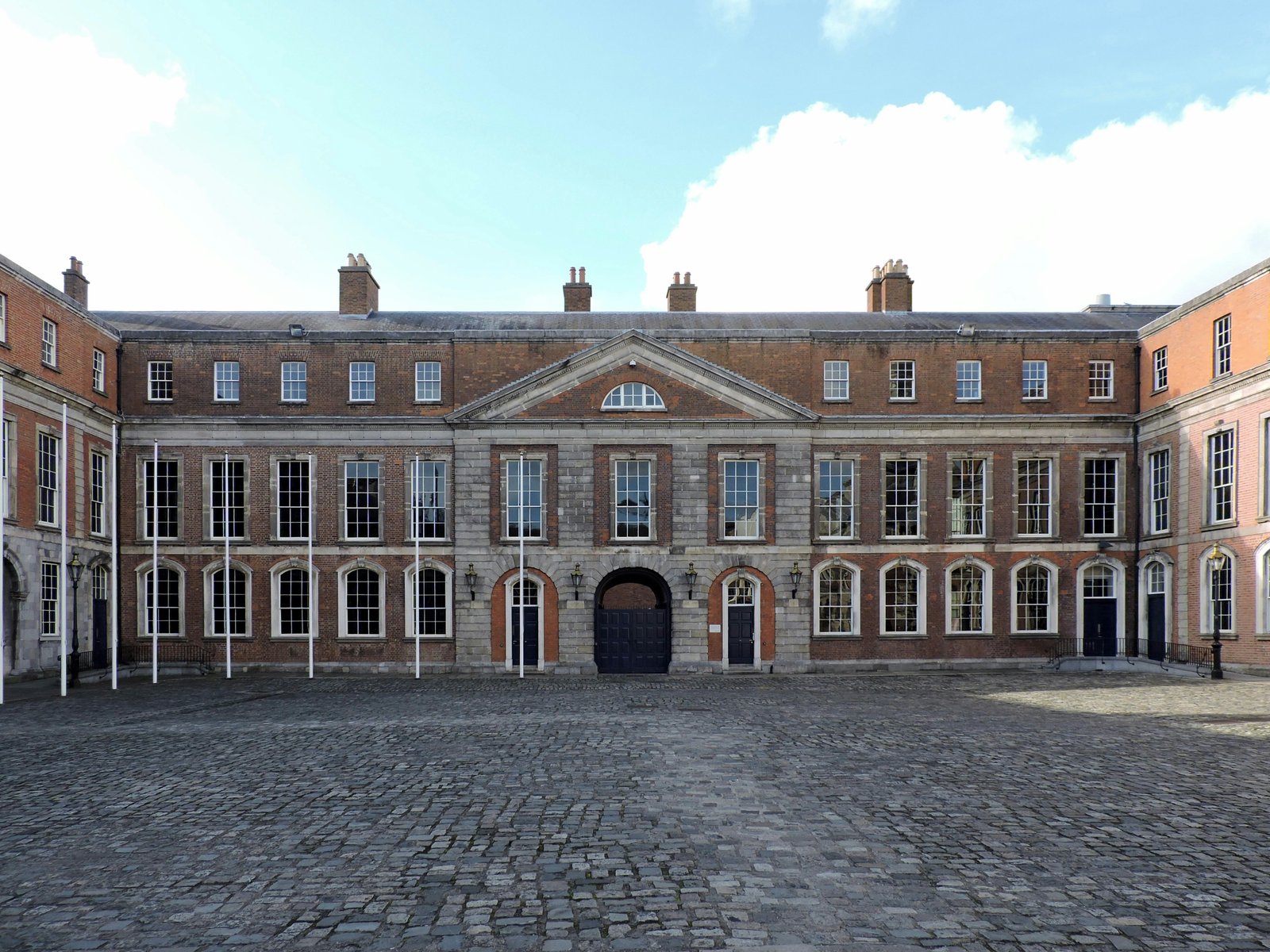
- Dublin: walkable at its core, with the Luas tram, DART coastal trains and Dublin Bus filling the gaps. Get a Leap Card for cheaper fares. A hop-on hop-off bus is a handy way to get your bearings on day one.
- Galway, Kilkenny and Killarney: small enough to walk everywhere. See our Galway guide for ideas.
- Cork: the centre is compact and walkable, with buses out to the suburbs and trains to Cobh. Our Cork guide has more.
- Belfast: walkable, with Glider rapid buses on the main routes. See our Belfast guide.
Day tours
Day tours get you from a train station to a clifftop or a lakeshore that no bus reaches, and a guide adds the stories you’d miss on your own. Two of the best-rated examples are the Cliffs of Moher and Burren tour from Galway and the Ring of Kerry day trip from Cork.
Ferries and islands
Ireland’s islands suit car-free travellers, since you often can’t bring a car anyway. Ferries run to the Aran Islands from Rossaveal (with a connecting bus from Galway) and from Doolin in summer. Once there, you can hire a bike, take a minibus tour or walk. Car ferries also cross from Tarbert in Kerry to Killimer in Clare, and foot passengers can use them too. Our guide to island hopping in Ireland covers the main crossings.
Cycling
Ireland’s greenways are traffic-free cycling and walking routes, mostly built on old railway lines, and many have bike hire at the start. The Great Western Greenway runs from Westport towards Achill, and the Waterford Greenway follows an old railway from Waterford city to Dungarvan. See our guides to cycling and greenways and the Copper Coast and Waterford Greenway.
Two sample car-free trips
One week: three nights in Dublin with a day trip to Glendalough or Newgrange, then the train to Killarney for two nights and a Ring of Kerry tour. From Killarney, take the bus to Galway for two nights, join a Cliffs of Moher or Connemara tour, and finish with the train back to Dublin.
Ten days: start the same way, but add Belfast at the end. From Galway, return to Dublin, take the Enterprise to Belfast for two or three nights, and join a Giant’s Causeway tour. Belfast’s airports and the train back to Dublin give you two ways home.
Taxis and planning apps
Every town of any size has taxis, and in Dublin, Cork, Galway and Limerick you can book licensed taxis through ride-hailing apps. In rural areas, ask your accommodation for a local number, as you may not find one waiting on the street.
For journey planning, the Transport for Ireland journey planner covers trains, buses, Luas and DART across the Republic, and Translink’s planner does the same in Northern Ireland. Both show live departures for many services, which helps when a rural bus runs only a few times a day.
Good to know
- Book intercity trains online. Advance fares are usually cheaper, and some services require or recommend a seat reservation.
- Check Sunday timetables. Services are often reduced on Sundays and bank holidays.
- Rural buses are infrequent. If a bus runs only a few times a day, plan around it, and have a local taxi number as a backup.
- Pack light. You’ll be carrying your bags on and off trains and buses, so one wheeled case or a backpack makes life much easier.
- Stay near the station. In Galway, Killarney and Cork, hotels near the station save a taxi on travel days.
FAQ
Is it easy to travel around Ireland by public transport?
Between the main cities, yes. Trains and coaches are frequent and comfortable. Rural areas and the coast are harder, which is where day tours come in.
Can I get to the Cliffs of Moher without a car?
Yes. Day tours run from Galway, Ennis, Limerick and Dublin, and there are bus services to the cliffs from Galway and Ennis.
Do I need a car for the Ring of Kerry?
No. Coach tours run daily in season from Killarney, and there are combined train-and-coach tours from Dublin and Cork.
Is there a rail pass for Ireland?
Rail passes are available from time to time, but for most short trips, booking individual advance tickets online works out simplest. Check Irish Rail and Translink before you travel.